
Ironing
Find the right iron, board and amount of steam for the clothes you actually press.
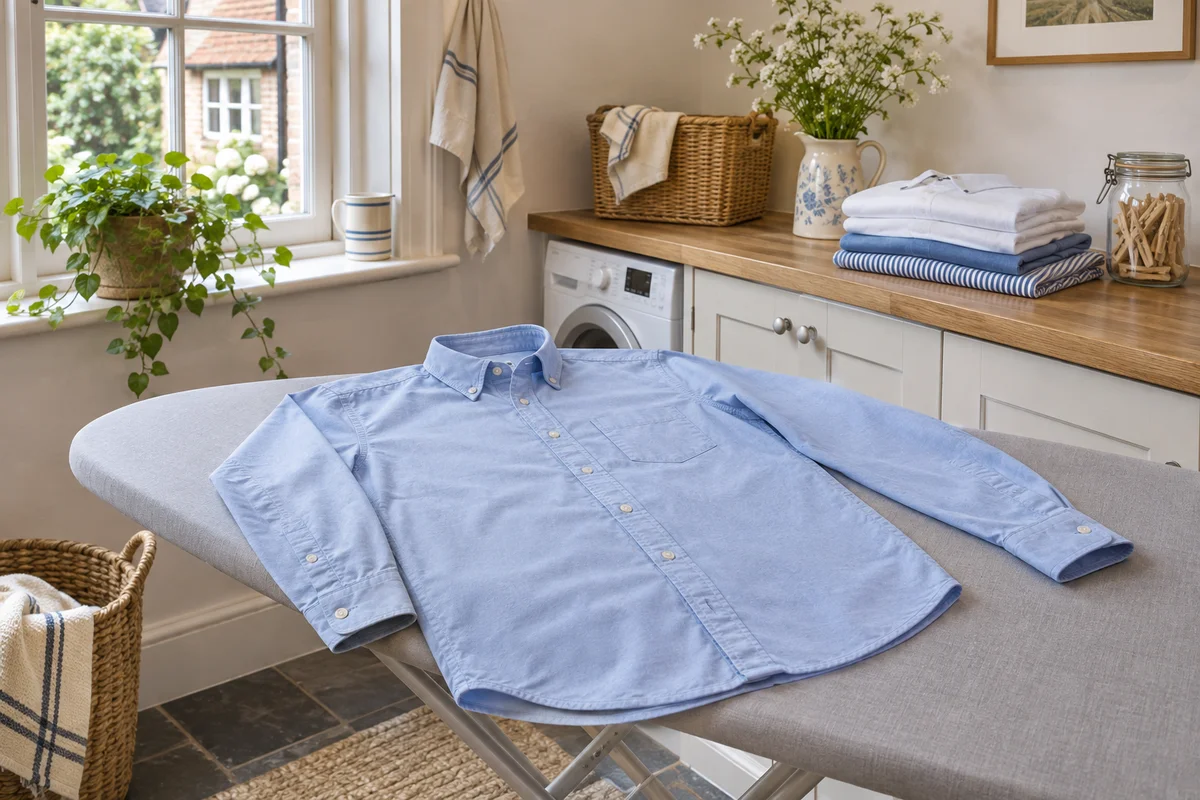
Start with the job you need to do
Compare the equipment first, then follow the guide for your garment or working space.
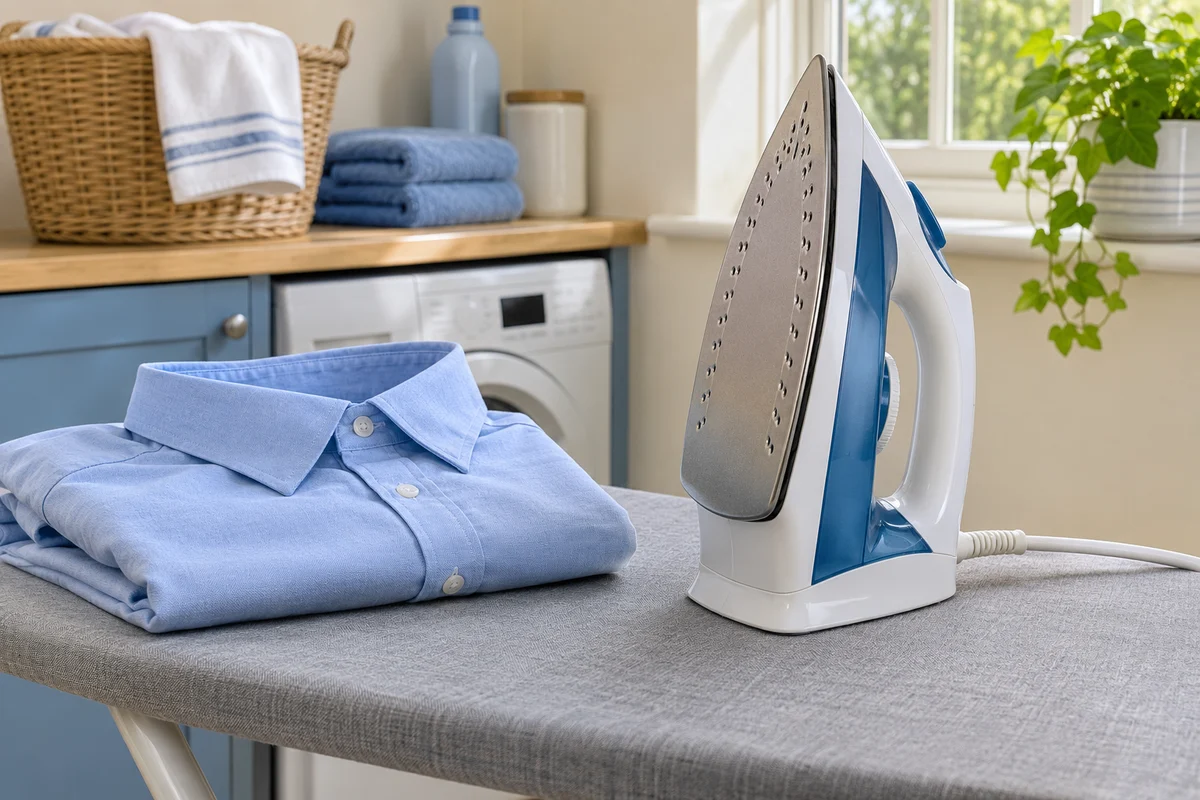
Steam irons
Compare controls, tank size and the cleaning routine for a regular basket.
Compare steam ironsSteam generators
Check base fit, refilling and the handpiece before making room for a separate tank.
Compare generators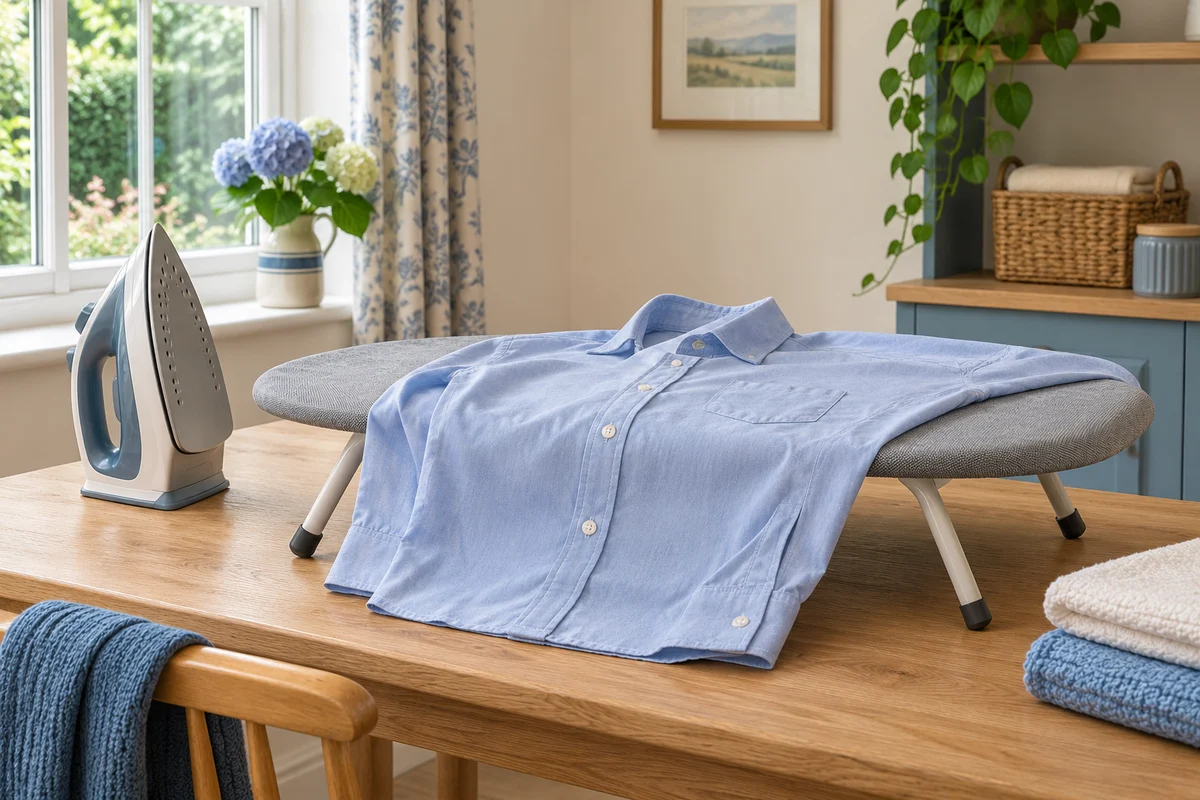
Tabletop boards
Match the pressing deck and folded package to a stable surface and storage gap.
Find a compact boardAll ironing guides
Choose an iron
Compare the tank, controls and storage that suit your usual ironing load.
Find a board
Check the pressing surface, rest and working height before choosing a board.
Press clothes well
Work through a garment in a sensible order and choose the finish its label permits.
Choose an iron and board for your routine
Start with how much you iron
If you press a couple of shirts at a time, start with a conventional steam iron. It stores as one piece and there is no separate tank or hose to set up. If you regularly work through a stack of cotton or linen, compare a generator’s refill arrangement and handpiece weight. The base gives you more water to work with, but it needs a stable place of its own.
A garment steamer is useful for a different job, such as easing hanging creases from a garment whose label permits steam. For collars, cuffs and sharp trouser creases, the flat surface of a board gives you something to press against.
Philips PerfectCare Compact GC7842/46
The base is 19.3 cm wide, with a 1.5 L tank and automatic temperature for ironable fabrics.
Good for
Good for regular ironing when cupboard width is tight and you can take a jug to the base for refills.
Bear in mind
The tank stays in the base. Check the 1.2 kg handpiece and allow room for the base and hose.
- 1.5 L, fixed
- 120 g/min
- 400 g
- 19.3 × 37.3 × 22.3 cm
Make the board part of the decision
Measure the pressing surface, open footprint and folded size separately.
Pressing surface
The usable top for sleeves, shirts and longer garments.
Open footprint
The floor space needed with the legs fully extended.
Folded size
The height, width and depth of the gap it will go in.
If you already own a generator, check that the board maker permits that kind of base. Measure its feet and check the support’s stated load limit with a full tank in mind. A wide pressing surface tells you little about the size or strength of the iron rest.
Check the label before setting the heat
The dots on the iron symbol indicate the maximum soleplate temperature. Check the garment’s instructions for steam as well as heat, especially with prints, trims and mixed fabrics. GINETEX care symbols explains the markings. If the appliance is spitting or leaving deposits, see the spitting and marks guide before using it again on a favourite garment.
Frequently asked questions
Do I need a steam generator for occasional ironing?
For one or two garments, a conventional steam iron is often simpler to set up and store. A generator becomes more appealing when a separate water tank and lighter handpiece suit regular batches. Check the whole unit’s storage size before choosing.
Can every ironing board hold a steam generator?
Check the board maker’s stated rest type and limits. A rest described for a conventional steam iron may be unsuitable for a separate generator base. Compare the base feet, filled weight and support area with the exact board instructions.
Does more steam always give a better result?
Published steam figures describe output, while your result also depends on the garment, heat setting, technique and pressing surface. Read continuous steam and short boost figures separately, and stay within the garment label’s limits.
Which measurement matters when buying a board for a small home?
Measure the pressing surface, the complete open footprint and the folded height, width and depth. A board that fits a cupboard can still block a door when open, so mark out its working space too.
Where should I start if my iron leaves marks?
Stop using it on a favourite garment while you identify the cause. Check whether the mark comes from the soleplate or the steam holes, then follow the exact model’s cleaning instructions. The care and fixes guides cover surface residue, water spitting and steam-system maintenance.